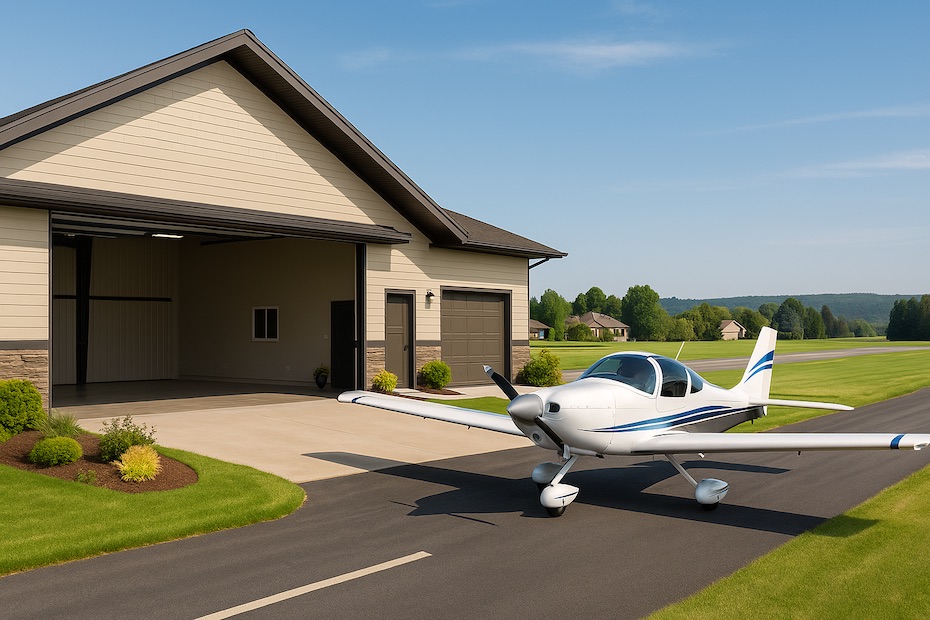
You’re not just looking for a home—you’re looking for a way to live that aligns with your passion for aviation. Residential airparks are fast becoming a serious option, offering a lifestyle that blends aviation convenience with long-term investment value. These communities, built around private runways with homes featuring attached hangars, have moved beyond novelty. They now attract everyone from commercial pilots and private flyers to retirees and real estate investors. As you weigh your options, understanding how airparks combine personal freedom, community culture, property value, and forward-looking technology can help you determine whether this lifestyle suits your goals.
Private Runways Redefining Daily Convenience
When you live in an airpark, time works differently. The hassle of commuting to a distant airport vanishes. Your aircraft is in your hangar, steps away from your living room. Whether you fly for business or recreation, this seamless access changes your routine. You can lift off on your schedule, without waiting for rental hangar logistics or ground handling at a commercial FBO. That level of autonomy gives you more control over your time and flexibility in how you plan your flights. It’s especially appealing if you fly frequently for work or want spontaneous weekend getaways.
Airparks are built with pilots in mind. From fuel access and taxiway lighting to hangar design that fits everything from ultralights to jets, these communities are engineered for aviation efficiency. Many even incorporate safety features like aircraft-only signage, no-car zones near runways, and regular maintenance of the airstrip to ensure smooth operations. For someone used to the usual airport stress, it’s a welcome change.
A Community Built Around a Shared Passion
Living in a fly-in community means you’re surrounded by people who share your interests and values. That creates a culture of collaboration, learning, and shared experience. Whether it’s an informal breakfast fly-out, organized airshow, or simply hangar talk with neighbors who’ve logged thousands of hours in the cockpit, these connections become part of your routine. The support network here isn’t just social—it’s functional. You get real-time advice on maintenance issues, safety tips, and sometimes even help diagnosing avionics glitches.
That sense of connection adds real value. It’s common to find groups forming for flight planning, travel coordination, or aircraft restoration. Many airparks host events for residents, including pilot seminars, FAA Safety Team meetings, and holiday fly-ins. You’re not just in a neighborhood—you’re part of a functioning aviation microcosm. That camaraderie can reduce isolation and boost your confidence, especially if you’re a newer pilot or recently transitioned from commercial to general aviation.
Real Estate with Added Lift
Airpark homes aren’t ordinary listings. You’re buying into a niche with a built-in premium. Properties in established airparks often sell for 20–30% more than similar homes nearby that lack runway access. The hangar and taxiway connection drive part of that value, but it’s also the lifestyle and exclusivity that make these properties stand out. Real estate agents specializing in aviation properties report shorter time on market for airpark listings, especially in hot regions like Florida, Texas, and Arizona.
Buyers look for properties that balance luxury with function. Well-designed homes with air-conditioned hangars, pilot lounges, and integrated smart home features command top dollar. Even modest homes appreciate well when the airpark is well-managed and the runway is kept in good condition. As aviation interest grows and private flight becomes more accessible, this trend shows no sign of slowing.
Weighing the Costs: HOA Fees and Maintenance
Airpark living has perks, but it’s not without its costs. You’ll often encounter homeowner associations (HOAs) that manage runway upkeep, lighting, signage, and community amenities. These fees can range widely—some under $1,000 a year, others well above $3,000 depending on the size and scope of services. You’re also responsible for maintaining your aircraft, hangar, and any adjacent taxiway or tie-down areas linked to your lot.
Beyond routine expenses, expect costs for fuel delivery, aircraft insurance, and perhaps higher property insurance depending on the fire safety infrastructure in the community. Before buying in, it’s smart to review HOA financials, governance rules, and airport operations manuals. You want to ensure you understand your obligations and any limits on aircraft types, noise levels, or after-dark departures.
Investment Upside Beyond the Runway
From an investment standpoint, airparks are outperforming many other niche real estate sectors. Limited supply and growing demand mean values are holding strong, and in some markets, increasing faster than the broader housing market. Investors appreciate the built-in scarcity—after all, you can’t just build a new runway in every suburb. Add in the attraction of remote work, flexible travel, and tax advantages tied to business aircraft usage, and these homes become highly attractive.
Buyers are increasingly looking for second homes that double as investment properties. If you purchase in a community with flexible rental policies, you might generate income from other pilots looking for short-term stays with hangar access. In states like Arizona and Colorado, this model is already gaining ground. Just make sure to confirm local zoning and HOA rules to avoid conflicts.
Next-Gen Airparks and the Rise of eVTOL
Forward-thinking airparks are starting to adapt to the future of flight. With eVTOL aircraft entering certification phases, some communities are incorporating vertical launch zones, EV charging stations, and even autonomous taxi technology into their master plans. While you may not be flying an air taxi tomorrow, positioning yourself in a tech-ready airpark could future-proof your investment and lifestyle.
Beyond aircraft, technology is making airpark living more comfortable and efficient. Smart hangars offer climate control, security systems, and maintenance monitoring from your phone. Fast fiber internet and satellite systems like Starlink ensure you’re not cut off from the world, even if your home is in a remote area. These features are becoming standard, especially in newly developed airparks or upgraded legacy communities.
Navigating Zoning and Compliance
Before you buy, zoning and local regulations should be top of mind. Not all airparks operate the same way. Some are residential-use only, while others allow limited commercial activity like maintenance services, charter operations, or flight instruction. You need to understand FAA regulations, local noise ordinances, and any deed restrictions that may affect how you use your property or your aircraft.
Some airparks have FAA designations or accept public funds, which can introduce restrictions related to airport grant assurances. Others are entirely private and rely on resident funding. Know the difference and assess how that affects long-term maintenance, liability, and expansion potential. If the runway needs resurfacing or lighting upgrades, will your HOA be ready—or will that cost hit your pocket directly?
Why Buy in an Airpark?
- Runway access steps from your home
- Live in a community of aviation enthusiasts
- Homes typically hold strong resale value
- Next-gen upgrades: smart hangars, eVTOL readiness
- Lifestyle and investment opportunity combined
In Conclusion
If you’re looking for a home that fits your aviation lifestyle and offers long-term value, residential airparks are a compelling choice. You get convenience, camaraderie, and potential appreciation all wrapped in a fly-from-home setup. Just make sure to understand the rules, costs, and growth potential before you buy in. With the aviation world shifting toward private ownership and next-gen aircraft, airparks aren’t just for hobbyists anymore—they’re a serious real estate category with serious momentum.
For aspiring entrepreneurs, the same principles of strategic investment apply—whether in aviation or education. Explore opportunities at the Chrysilios Chrysiliou Entrepreneurial Scholarship to fuel your next big venture.

Chrysilios Chrysiliou is a commercial real estate executive at RDPH Properties, Inc. with a diverse background in aviation and entrepreneurship. A former Greek Air Force Academy graduate, flight instructor, and flight school co-owner, he now leverages decades of strategic leadership to identify and develop high-value real estate opportunities.