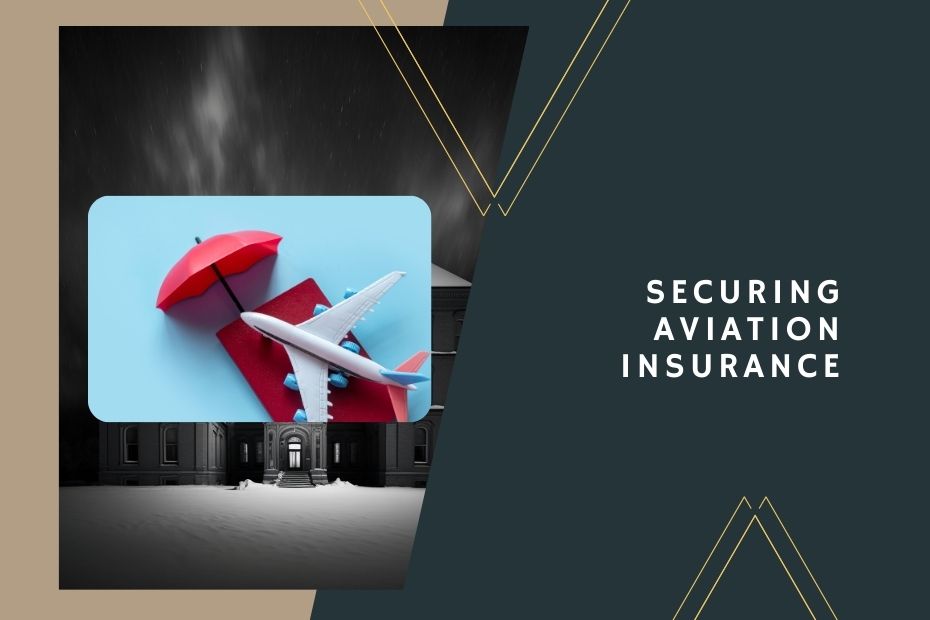
Aviation insurance is not just a regulatory requirement—it is a vital safeguard for aircraft owners and pilots against financial and legal risks. Whether a pilot flies privately or operates commercially, an accident, mechanical failure, or unforeseen event can result in substantial costs. The aviation industry presents unique challenges, and having the right insurance coverage ensures financial stability and protection against liabilities. Over the years, I have seen countless pilots and aircraft owners struggle with choosing the right policy, often underestimating the risks involved. This guide provides a practical breakdown of aviation insurance coverage, factors influencing premiums, policy exclusions, and strategies for securing the most suitable insurance.
Understanding Aviation Insurance Coverage
Aviation insurance policies are structured to protect both aircraft and operators from various liabilities. The primary coverage types include liability insurance, hull insurance, and passenger protection. Each category serves a different function, and understanding these distinctions is crucial for selecting the right policy.
Liability insurance covers damages caused to third parties, including injuries, property destruction, and legal costs. In most countries, public liability insurance is mandatory for aircraft operators, ensuring that any damages inflicted on others are covered. However, this policy does not include damage to the insured aircraft itself. Passenger liability insurance, on the other hand, is designed for aircraft carrying passengers and covers injuries or fatalities that may occur during a flight. It is an essential policy, especially for commercial operators who transport people regularly.
Hull insurance, divided into ground risk hull (non-motion), ground risk hull (motion), and in-flight insurance, covers damages to the aircraft itself. Non-motion policies protect an aircraft when it is parked or in maintenance, safeguarding it from natural disasters, theft, and vandalism. Motion coverage extends to incidents that occur while the aircraft is taxiing but not airborne. In-flight insurance provides the broadest coverage, compensating for damages sustained during flight, including during takeoff and landing, where risks are highest.
Why Pilots and Owners Need Aviation Insurance
Flying an aircraft without insurance is a serious financial risk. Regardless of a pilot’s skill level, external factors such as unpredictable weather, mechanical failures, or air traffic miscommunications can lead to accidents. Without insurance, even minor damages can result in significant out-of-pocket costs, and liability claims from injured passengers or third parties can quickly escalate to millions of dollars.
From a legal standpoint, many aviation regulatory bodies require a minimum level of insurance coverage. Failure to comply can lead to fines, grounding of aircraft, or denial of flight permits. Beyond legal obligations, insurance provides peace of mind, ensuring that an unexpected incident does not result in financial devastation. Aircraft ownership is a substantial investment, and protecting it with comprehensive insurance is a responsible approach to risk management.
Factors That Influence Aviation Insurance Premiums
Insurance providers calculate premiums based on various factors, each contributing to the overall risk assessment of an aircraft and its operator. One of the primary considerations is the type and value of the aircraft. High-performance jets, vintage aircraft, and complex machines often cost more to insure due to the higher expenses involved in repairs and replacements.
Pilot experience also plays a significant role in determining premiums. Insurance companies assess the total flight hours, certifications, and past claims history of the pilot. A pilot with extensive experience and a clean safety record is considered lower risk and is likely to receive lower premium rates. On the other hand, newer pilots or those with previous claims may face higher costs. The intended use of the aircraft also affects the cost—personal, commercial, and instructional use each come with different risk levels, impacting the pricing structure of policies.
Geographic location and aircraft storage also influence insurance costs. An aircraft stored in a secure hangar at a low-risk airport will typically have lower premiums compared to one parked in an open-air location prone to extreme weather conditions. Additionally, an aircraft frequently flown in high-traffic airspace or rough terrain may attract higher insurance rates.
Selecting the Right Insurance Provider
Choosing an aviation insurance provider is a critical step in securing proper coverage. Not all insurance companies specialize in aviation, and working with an experienced provider ensures that policies are tailored to specific operational needs. A reputable provider should have a strong financial standing, ensuring they can pay out claims efficiently when necessary.
Evaluating an insurer’s track record is essential. A provider with a history of delayed claim processing or hidden exclusions may not be the best choice. Pilots and aircraft owners should also consider customer support availability, as navigating insurance policies and claims can be complex. A company with responsive service and knowledgeable representatives is invaluable when handling emergencies.
Additionally, flexibility in coverage is an important factor. Aircraft operations change over time, and a good insurance provider should offer adaptable policies that can be modified as needed. Whether an operator upgrades aircraft, changes flight routes, or expands operations, having an insurer willing to adjust coverage ensures continued protection.
Common Exclusions in Aviation Insurance Policies
Even comprehensive aviation insurance policies have exclusions that can limit coverage. Understanding these exclusions helps prevent unexpected coverage gaps and claim denials. One of the most common exclusions is pilot inexperience. If an aircraft is flown by a pilot who does not meet the insurer’s minimum experience requirements, claims may be rejected.
Policies also typically exclude damage caused by war, terrorism, or illegal activities. Acts of war or sabotage require additional coverage, which is often sold as a separate policy extension. Similarly, mechanical failures due to poor maintenance or wear and tear are not covered under standard policies. Insurers expect aircraft owners to conduct routine maintenance and address mechanical issues before they escalate into safety risks.
Another key exclusion is unauthorized aircraft usage. If an aircraft is operated outside of the approved flight purpose outlined in the policy—such as using a private aircraft for commercial transport without proper coverage—claims may be denied. Ensuring that policy terms align with operational needs is essential for avoiding disputes.
How to Reduce Aviation Insurance Costs
While aviation insurance can be expensive, several strategies help lower costs. Pilots and aircraft owners can take proactive steps to qualify for better rates and more comprehensive coverage. One of the most effective ways to reduce premiums is to invest in pilot training. Completing advanced training, such as instrument ratings or safety certification courses, demonstrates competence and lowers risk in the eyes of insurers.
Maintaining a clean claims history is also essential. Avoiding unnecessary claims and maintaining safe flight operations result in lower long-term insurance costs. Some insurers offer discounts for accident-free flying over extended periods. Increasing deductibles can also help reduce annual premium costs, though this means taking on more out-of-pocket expenses in the event of a claim.
Bundling multiple insurance policies is another cost-saving option. Some insurers provide discounts when combining liability, hull, and passenger insurance under a single policy. Additionally, ensuring that aircraft are stored in secure, climate-controlled hangars helps lower the risk of damage, which can lead to premium reductions.
Key Aviation Insurance Considerations
- Types of Insurance: Covers liability, passenger protection, and hull insurance.
- Premium Influences: Aircraft type, pilot experience, and flight purpose affect costs.
- Provider Selection: Look for reputable companies with strong financial backing.
- Policy Exclusions: Some policies exclude pilot inexperience and unauthorized usage.
- Cost Reduction: Advanced training, safe storage, and bundling policies lower premiums.
In Conclusion
Aviation insurance is an essential part of responsible aircraft ownership and piloting. It provides financial protection against liabilities, accidents, and unexpected damage while ensuring compliance with aviation regulations. Selecting the right policy requires careful evaluation of coverage options, premium factors, and insurer reliability. By taking proactive steps such as improving pilot training, maintaining a clean safety record, and choosing a reputable provider, pilots and aircraft owners can secure effective coverage while managing costs efficiently.
For expert insights on aviation insurance and risk management, visit my blog: Strikingly. Stay informed and fly confidently!

Chrysilios Chrysiliou is a commercial real estate executive at RDPH Properties, Inc. with a diverse background in aviation and entrepreneurship. A former Greek Air Force Academy graduate, flight instructor, and flight school co-owner, he now leverages decades of strategic leadership to identify and develop high-value real estate opportunities.