
Most people associate aviation careers with piloting, but the reality is that countless professionals work behind the scenes to keep the industry moving. Air travel depends on air traffic controllers, maintenance technicians, safety inspectors, meteorologists, and many others who ensure everything runs smoothly. Over the years, I’ve seen people overlook these careers simply because they aren’t as visible as piloting. But these roles offer rewarding career paths, competitive salaries, and opportunities for long-term growth. If you’re considering aviation but don’t see yourself in the cockpit, there are plenty of ways to build a fulfilling career.
Air Traffic Controllers: Managing the Skies
Air traffic controllers are responsible for safely directing aircraft during takeoff, flight, and landing. Their decisions determine how efficiently planes move through the air, avoiding congestion and maintaining safe distances between flights. The work requires constant focus, fast decision-making, and clear communication. The pressure is real, but so is the satisfaction of knowing that every instruction keeps flights on schedule and passengers safe.
Becoming an air traffic controller isn’t easy. It requires specialized training, often taking up to two years, followed by rigorous exams. The job demands a sharp mind and the ability to remain calm under pressure, as even the smallest mistake can lead to serious consequences. But for those who thrive in high-stakes environments, it’s one of the most critical and well-paying jobs in aviation.
Aircraft Maintenance Technicians: Keeping Planes Safe and Airworthy
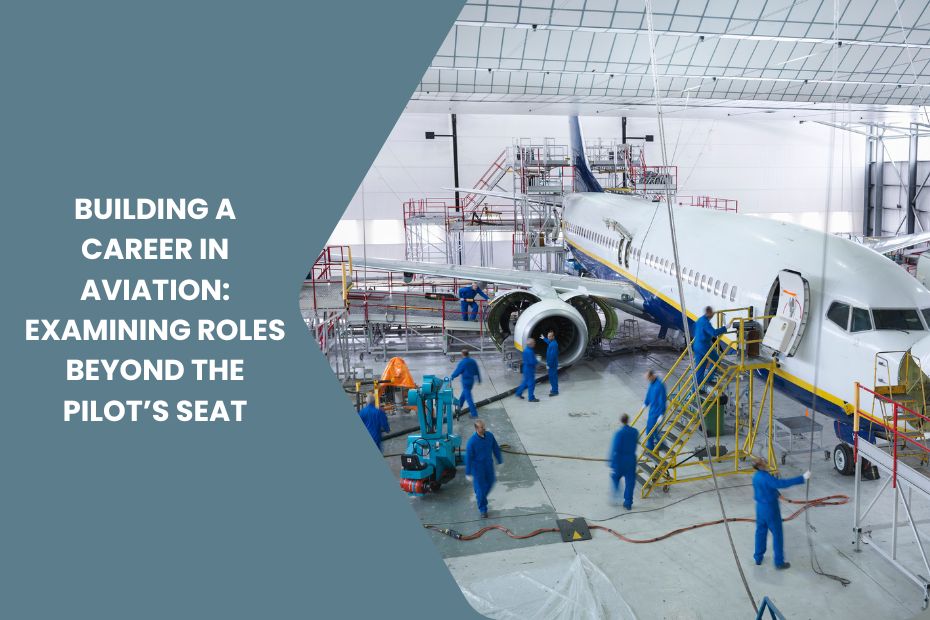
Every aircraft that takes off depends on a team of highly skilled maintenance technicians who inspect, repair, and fine-tune every component. Without them, no plane would be cleared for flight. I’ve worked with teams who meticulously check everything—from engines and avionics to hydraulic systems—to make sure each aircraft meets safety regulations. A tiny oversight could lead to mechanical failure, which is why precision and discipline are non-negotiable.
This job requires a strong understanding of mechanical and electrical systems, along with hands-on experience. Training includes both classroom instruction and real-world apprenticeships, with licensing requirements that vary by country. Aircraft mechanics play a direct role in passenger safety, and the work is highly respected across the industry.
Aviation Operations Specialists: Coordinating Flights and Schedules
Aviation operations specialists are the masterminds behind the schedules that keep airports running efficiently. They manage everything from flight dispatching and logistics to emergency planning. I’ve seen how their ability to coordinate between pilots, air traffic control, and ground crews can prevent delays and disruptions. Without their expertise, flights wouldn’t leave on time, and passengers would face frustrating delays.
This job requires strong organizational skills and the ability to think on your feet. A well-planned schedule can be thrown off by bad weather, technical issues, or last-minute passenger concerns. That’s why operations specialists need a problem-solving mindset. Training in aviation management or logistics is often required, along with experience in airline or airport operations.
Aviation Safety Inspectors: Upholding Industry Standards
Aviation is one of the safest industries in the world, and that’s not by accident. Safety inspectors ensure that every aircraft, airline, and maintenance facility meets strict regulations. Their work involves auditing operations, investigating safety concerns, and enforcing compliance with international aviation laws.
Most safety inspectors start in technical roles, like aircraft maintenance or piloting, before transitioning into regulatory oversight. It’s a role that requires both technical knowledge and the ability to enforce strict safety standards. The responsibility is immense, but so is the reward—knowing that every safety check contributes to keeping air travel as risk-free as possible.
Aviation Meteorologists: Forecasting for Flight Safety
Weather is one of the biggest variables in aviation, and meteorologists help pilots and flight planners make informed decisions about air travel. Strong crosswinds, storms, and turbulence can all impact a flight, and without accurate forecasting, flights would be constantly delayed or rerouted.
Aviation meteorologists analyze real-time weather data to provide critical updates on conditions that could affect flight paths. They work with pilots and operations teams to minimize risks, ensuring that aircraft avoid dangerous weather zones. This career requires a solid background in meteorology, physics, and data analysis, with specialized training in aviation-related forecasting.
Aviation Human Factors Specialists: Reducing Human Error
Aviation isn’t just about machines; it’s also about people. Human factors specialists study how pilots, air traffic controllers, and maintenance crews interact with their environment to reduce human error. I’ve seen their research directly impact cockpit design, training programs, and operational procedures, leading to safer and more efficient flights.
Their work involves studying decision-making under pressure, optimizing communication in high-stress environments, and improving safety protocols. Many specialists come from backgrounds in psychology, engineering, or aviation safety, using their expertise to refine training and operational procedures.
Aviation Environmental Specialists: Balancing Sustainability and Growth
With increasing concerns about fuel emissions and sustainability, environmental specialists play a key role in shaping the future of aviation. Airlines are under pressure to reduce their carbon footprint, and these professionals develop strategies to minimize environmental impact.
They work on fuel efficiency initiatives, noise reduction programs, and compliance with environmental laws. As the industry shifts toward alternative fuels and greener technologies, this role is becoming more important than ever. A background in environmental science, engineering, or aviation sustainability is typically required.
Key Careers in Aviation Beyond Piloting
- Air Traffic Controllers: Manage aircraft movements for safe operations.
- Aircraft Maintenance Technicians: Inspect and repair aircraft systems.
- Aviation Operations Specialists: Coordinate flight schedules and logistics.
- Aviation Safety Inspectors: Enforce aviation regulations and safety standards.
- Aviation Meteorologists: Provide weather forecasts for flight planning.
- Human Factors Specialists: Improve safety by analyzing human performance.
- Environmental Specialists: Develop sustainable aviation solutions.
In Conclusion
Aviation careers extend far beyond the cockpit, and the industry relies on countless professionals to ensure safe, efficient, and reliable air travel. Whether it’s managing air traffic, maintaining aircraft, or improving environmental sustainability, these roles offer rewarding career paths with long-term potential. Pilots may get most of the recognition, but the real backbone of aviation is built by the professionals who keep everything running smoothly behind the scenes. For those willing to explore these opportunities, the sky isn’t just the limit—it’s the workplace.

Chrysilios Chrysiliou is a commercial real estate executive at RDPH Properties, Inc. with a diverse background in aviation and entrepreneurship. A former Greek Air Force Academy graduate, flight instructor, and flight school co-owner, he now leverages decades of strategic leadership to identify and develop high-value real estate opportunities.