
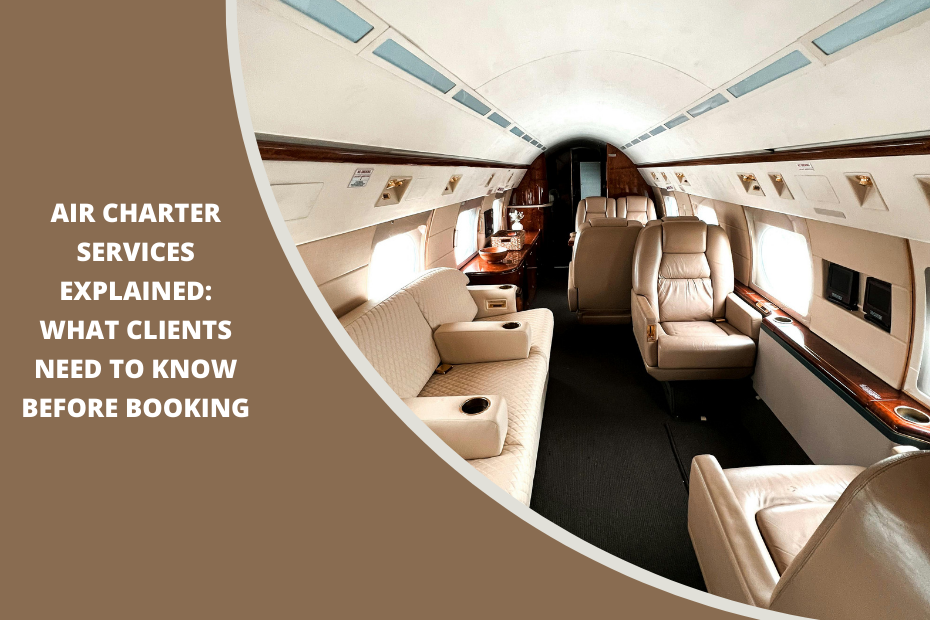
Chartering a private flight offers unmatched convenience, flexibility, and efficiency, but not all air charter services operate the same way. Over the years, I’ve worked with clients who assumed that booking a private jet was as simple as choosing a departure time and paying a set price. However, there’s much more to consider—aircraft selection, safety standards, cost breakdowns, and hidden fees can all impact the final experience. A successful charter booking isn’t just about luxury or speed; it’s about securing the right aircraft with the right terms to match the client’s needs. Knowing what to look for before booking makes the difference between a smooth experience and an overpriced, inconvenient flight.
Understanding the Different Types of Air Charter Services
Not all air charters serve the same purpose, and selecting the wrong type can lead to unnecessary costs or an inconvenient flight experience. Private charters remain the most common, giving individuals, business executives, and families full control over their travel schedule. With private flights, passengers avoid layovers, long security lines, and crowded commercial terminals. These flights depart when the client is ready, making them a top choice for those who prioritize efficiency.
Group charters, on the other hand, cater to larger parties—corporate teams, sports organizations, wedding guests, and even government delegations. Instead of coordinating multiple commercial tickets, a dedicated aircraft ensures that everyone arrives together, eliminating the risk of delays and logistical headaches. Cargo charters follow a different model entirely. Businesses use these services to transport high-value or time-sensitive shipments, bypassing commercial freight schedules and ensuring cargo reaches its destination exactly when needed. Choosing the right charter type saves time and prevents unnecessary expenses.
The Advantages of Booking a Private Charter
A private flight is more than just a status symbol—it’s a tool that improves efficiency, comfort, and accessibility. One of the biggest advantages is the ability to fly into smaller regional airports that commercial airlines don’t serve. I’ve had clients save hours of travel time simply by avoiding major hubs and landing closer to their final destinations. This makes charters an excellent choice for remote business meetings, luxury getaways, or emergency medical transport.
Beyond convenience, private charters also offer an unparalleled level of privacy. Whether discussing confidential business matters or simply wanting to avoid crowded flights, a charter ensures that only invited guests are onboard. Customization is another key benefit—everything from catering to seating configurations and onboard entertainment can be tailored to the client’s preferences. Unlike commercial flights, which operate on fixed schedules and standardized service, private charters provide a travel experience built entirely around the passenger.
Factors to Consider Before Booking a Charter Flight
Booking a private jet requires more than selecting a departure time and signing a contract. Safety is always the first concern. Reputable operators meet strict regulatory requirements, and I always advise clients to verify certifications before booking. An operator should be able to provide a safety audit report, details on pilot experience, and proof of compliance with aviation authorities. If a company hesitates to share this information, it’s a red flag.
Cost transparency is another key factor. Private flights don’t operate with a fixed pricing model the way commercial tickets do—charter rates vary based on aircraft type, flight distance, and availability. I’ve seen clients book what seemed like an affordable flight, only to be hit with additional fees for fuel surcharges, landing permits, and last-minute catering requests. Before signing any agreement, I ensure that every cost is outlined, with no hidden charges waiting at the end of the trip.
Common Misconceptions About Air Charter Services
Many first-time charter clients believe private jets are only for the ultra-wealthy. While high-end, long-range jets come with premium price tags, smaller aircraft—like turboprops and light jets—offer cost-effective solutions for short-haul flights. I’ve worked with businesses that found chartering to be a more affordable alternative to sending executives on multiple commercial flights. Shared charters and empty-leg flights (when a jet returns to base without passengers) also provide significant cost savings.
Another misconception is that air charters are unregulated. Private aviation operates under strict safety and operational guidelines, often exceeding commercial airline standards. Operators must comply with government aviation authorities, undergo routine inspections, and maintain detailed flight records. Clients who assume charter flights operate without oversight are often surprised to learn how structured and regulated the industry actually is.
Hidden Costs to Watch for When Booking an Air Charter
Chartering a flight comes with costs beyond the quoted rate, and failing to account for them can lead to unexpected expenses. One of the biggest hidden costs is repositioning fees. If the chosen aircraft is stationed at an airport different from the departure location, the client is responsible for covering the cost of flying it to the correct location. I always clarify whether this fee is included in the initial quote or added later.
Fuel surcharges are another cost factor. While some operators provide fixed pricing, others adjust costs based on fuel market fluctuations. Airports also impose landing and handling fees, which can vary significantly. I make it a point to break down all these costs for clients before finalizing any booking. By reviewing the fine print in advance, I help avoid financial surprises that can turn a great charter experience into a costly mistake.
Key Considerations Before Booking an Air Charter
- Choose the Right Charter Type: Private, group, and cargo charters serve different travel needs.
- Verify Operator Credentials: Ensure safety records and certifications meet industry standards.
- Understand Pricing and Fees: Request a full cost breakdown to avoid hidden charges.
- Select the Right Aircraft: Match aircraft capabilities to travel distance and passenger requirements.
- Review Cancellation Policies: Know refund and rescheduling terms before committing.
In Conclusion
Booking an air charter isn’t just about reserving a flight—it’s about ensuring the experience aligns with travel needs, safety standards, and financial expectations. Whether flying for business, personal convenience, or cargo transport, making informed decisions leads to a seamless journey. Clients who take the time to research their options, compare pricing structures, and confirm safety compliance gain all the benefits of private air travel without unnecessary risks. The right air charter service provides more than just transportation—it delivers reliability, comfort, and complete control over the flying experience.

Chrysilios Chrysiliou is a commercial real estate executive at RDPH Properties, Inc. with a diverse background in aviation and entrepreneurship. A former Greek Air Force Academy graduate, flight instructor, and flight school co-owner, he now leverages decades of strategic leadership to identify and develop high-value real estate opportunities.