
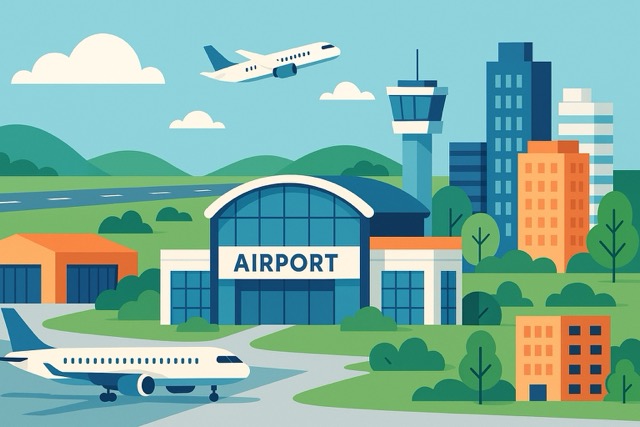
Aviation real estate isn’t just about runways and hangars anymore—it’s a fast-expanding sector where airport land is being reimagined for logistics, retail, tech, hospitality, and even residential use. As an investor or planner, you’re watching this shift happen in real time. From smart infrastructure to mixed-use spaces and sustainability mandates, airports are becoming hubs of commerce and lifestyle, not just travel. In this article, you’ll explore seven key trends shaping the future of aviation real estate and how you can align your strategy to benefit from these developments.
1. Smart Airports Are Now the Standard, Not the Exception
Digital transformation is moving quickly, and smart airport infrastructure is no longer a futuristic concept—it’s a commercial necessity. As you build or invest in airport-linked property, you have to factor in technologies like biometric gates, automated check-in kiosks, digital wayfinding, and AI-powered facility management. These upgrades do more than improve passenger flow—they reduce operating costs and unlock better use of airport real estate.
This shift changes how you design and plan supporting infrastructure. Retail areas, parking, lounges, and office spaces must be embedded in a connected ecosystem where everything from lighting to HVAC is optimized using real-time data.
2. Sustainability Isn’t Optional—It’s the Entry Price
Governments, airlines, and the public are demanding more sustainable airports—and you need to align your projects with this direction. Green building certifications (LEED, BREEAM), solar-powered infrastructure, EV-ready logistics hubs, and carbon-reducing construction materials are no longer add-ons—they’re expected.
From a development perspective, that also means increased long-term asset value. Airports with sustainable infrastructure attract more corporate tenants, especially global companies focused on ESG goals. Whether you’re building cargo facilities or airport hotels, cleaner builds lead to stronger partnerships and longer leases.
3. Airport Cities Are Driving the Next Phase of Development
The aerotropolis model—where the airport becomes a central business and lifestyle district—is expanding worldwide. You’re now seeing more land around major airports zoned for retail parks, convention centers, residential housing, schools, and healthcare. That translates into higher real estate demand and stronger revenue diversification.
If you’re developing near a major airport, think beyond transit traffic. You’re building for permanent users—airline staff, logistics professionals, digital nomads, and frequent flyers who want to live or work near the terminal. Your development has to cater to live-work-play lifestyles, and zoning authorities are increasingly supportive of these mixed-use expansions.
4. Cargo and Logistics Space Is in Short Supply
E-commerce is fueling rapid growth in air freight. That demand puts pressure on airport-adjacent logistics space, especially for last-mile hubs and cold storage facilities. If you’re investing in aviation real estate and not considering cargo needs, you’re missing one of the most lucrative segments of the market.
This includes modernizing old warehouse stock, retrofitting terminals for dual-use, and even planning drone delivery zones. Speed, accessibility, and regulatory clearance are the three key considerations for logistics tenants—so make sure your plans address all of them.
5. Repurposing Existing Assets Makes More Financial Sense
Instead of starting from scratch, many airports are now converting old terminals, hangars, and auxiliary buildings into flexible real estate assets. That might mean transforming a decommissioned concourse into a business incubator or turning unused apron space into solar farms or film production lots.
These adaptive reuse projects are cost-effective, quicker to launch, and better for the environment. You can also access grants or tax incentives for repurposing legacy infrastructure. The key is identifying underutilized assets early and working with authorities to unlock them for commercial or industrial use.
6. Passenger Experience Is a Revenue Opportunity
As a developer, you’re not just serving airlines—you’re serving travelers. The more engaging and comfortable the environment, the more money people spend. High-end lounges, wellness centers, branded dining experiences, co-working lounges, and immersive digital entertainment are becoming standard additions to terminals and their surrounding spaces.
The longer people stay, the more value you create. Smart aviation real estate strategies now include “non-stop experiences”—places where a traveler can work, relax, shop, and eat without needing to leave the airport ecosystem. Every square foot needs to be designed for flow and comfort, especially in high-traffic zones.
7. Resilient Design Prepares You for Anything
If there’s one lesson from recent global disruptions, it’s that resilience matters. From pandemics to natural disasters, airport infrastructure must be built to adapt. That means modular designs, flexible leases, climate-proof engineering, and tech-enabled safety systems.
You can’t predict what will happen next, but you can plan for response and recovery. Properties with resilient design attract better tenants, maintain value during crises, and often qualify for lower insurance premiums. If you’re involved in airport property planning, make resilience a non-negotiable part of your design and construction process.
What Are the Top Trends in Aviation Real Estate?
- Smart airport infrastructure and automation
- Sustainable, green-certified construction
- Mixed-use zones and airport cities
- High-demand for cargo and logistics hubs
- Adaptive reuse of legacy facilities
- Focus on comfort and experience
- Resilient designs for future-proofing
In Conclusion
Aviation real estate is rapidly becoming one of the most innovative property classes out there. As airports transition into full-service commercial hubs, you have the opportunity to build assets that deliver long-term returns across retail, logistics, residential, and technology sectors. By staying informed on these trends—smart systems, sustainability, mixed-use integration, and more—you’re setting yourself up to design or invest in airport properties that won’t just perform today but remain valuable for decades.
Explore more insights and engage in discussions on various topics on this X profile: Follow for thoughts and perspectives.

Chrysilios Chrysiliou is a commercial real estate executive at RDPH Properties, Inc. with a diverse background in aviation and entrepreneurship. A former Greek Air Force Academy graduate, flight instructor, and flight school co-owner, he now leverages decades of strategic leadership to identify and develop high-value real estate opportunities.