
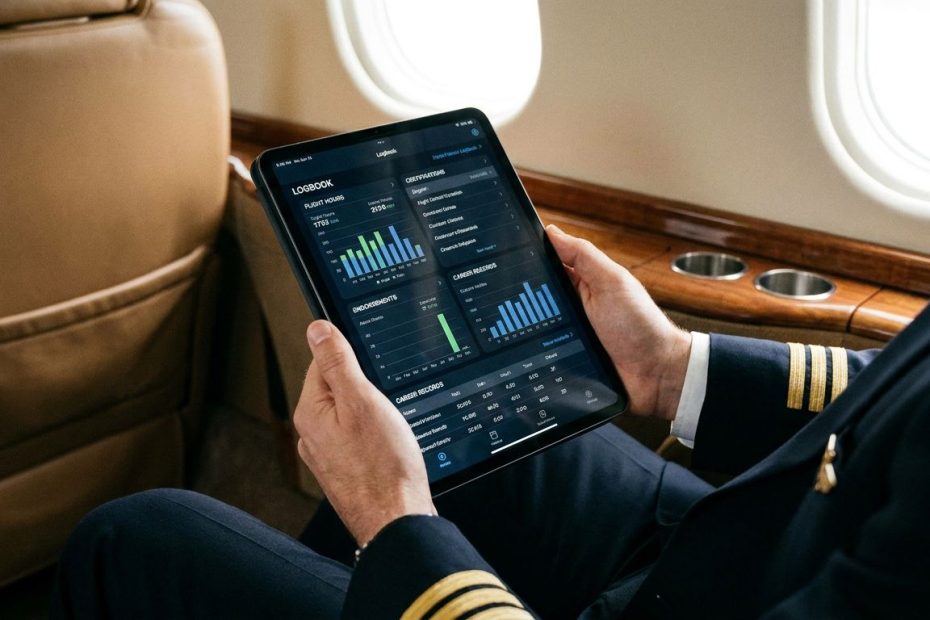
If you want one system to manage flight hours, endorsements, recency, and career documents without piecing together spreadsheets and paper binders, these five platforms are the strongest options to put on your shortlist. The right pick depends on whether you value airline-style reporting, training progress visibility, instructor sign-offs, document storage, or a lower-cost path that still keeps your records job-ready.
You do not need another generic app roundup. You need to know which platform actually helps you stay organized, produce clean totals for applications and checkrides, and avoid bad recordkeeping habits that create trouble later. This guide walks you through five widely used pilot logbook platforms and shows where each one fits in a real flying career, from early training to interview prep and recurring compliance.
Platform 1: ForeFlight Logbook
ForeFlight Logbook works well when you want your logbook inside the same environment you already use for charts, weather, planning, and flight operations. That matters more than many pilots realize. When your planning tool, track logs, and flight records live together, your entries become faster to review, easier to complete, and less likely to be skipped after a long day at the airport.
The strongest reason to consider ForeFlight is its built-in career reporting layer. It can track hours, review currency, record certificates and ratings, receive electronic instructor endorsements, and generate experience reports. It also includes an Federal Aviation Administration Airman Certificate and Rating Application style 8710 report, which is one of the most useful outputs when you are preparing for a practical test, updating records for insurance, or organizing totals for professional opportunities.
ForeFlight also handles digital endorsements in a polished way. Instructors can sign in the app, signatures are stored in the cloud, and the system includes more than sixty built-in endorsement templates derived from Federal Aviation Administration guidance. That saves time, reduces handwriting issues, and gives you a cleaner training record than many paper logbooks ever achieve.
Another reason pilots stay with ForeFlight is automation. Track logs can create draft entries, night time and night landings can be auto-calculated from out, off, on, and in times, and linked flight data helps fill entries with better accuracy. If you are disciplined about aircraft profiles and required fields, the reporting gets much stronger. If you are sloppy with aircraft class, simulator categories, or missing data, your totals can drift, and that is where pilots usually run into trouble when they expect the 8710-style report to do all the cleanup for them.
You should choose ForeFlight if you already live in its ecosystem and want an efficient all-in-one workflow. It is especially strong for general aviation pilots, instructors, instrument students, and anyone who wants endorsements, recency tracking, report generation, and cloud backup without adding another separate platform to the stack. If your flying career will stay closely tied to ForeFlight for years, starting your digital records there can be a very practical move.
Platform 2: LogTen
LogTen is built for pilots who want their logbook to behave like a career management system rather than a basic flight diary. That distinction matters once your recordkeeping needs move beyond total time and landings. When you begin tracking milestones toward Airline Transport Pilot goals, preparing for interviews, managing recurring qualifications, or organizing professional outputs across devices, LogTen starts to make a lot of sense.
The platform leans into career readiness. It promotes analytics, goal tracking, career readiness monitoring, and tailored job matching. It also speaks directly to student pilots and instructors by highlighting milestone tracking from Private Pilot License to Airline Transport Pilot, integrated logging from partner systems, endorsement management, and checkride preparation. That positioning tells you exactly where the product wants to sit in your workflow: not just as storage, but as a decision tool.
LogTen also appeals to pilots who want a polished Apple-centric experience. If you use iPhone, iPad, Apple Watch, and Mac, the continuity is attractive. Sync matters when you log flights in different places, review totals at home, and want your record ready without manual exports or version confusion. That is not a small quality-of-life upgrade. It shapes how consistently you maintain your records over the long run.
Where LogTen often stands out is with pilots thinking several steps ahead. If you care about progress milestones, checkride prep, endorsements, and professional reporting, you are not just logging time, you are building a credential file. A platform that treats your experience data as something to analyze and present can save a lot of friction later when opportunities start moving faster than your paperwork.
You should look hard at LogTen if your flying path is aimed at commercial progression and you want software that feels built for that level of seriousness. It is a strong fit for career-track students, certified flight instructors, commercial pilots, and operators who want cleaner analytics and a more polished progression system. If your goal is to keep one platform from training through professional hiring, this one deserves attention.
Platform 3: MyFlightbook
MyFlightbook is the platform that proves free does not have to mean limited. If you want serious reporting, endorsements, recency tracking, and flexible customization without paying a recurring premium right away, this is one of the most practical tools available. A lot of pilots underestimate it until they spend time inside the reporting and compliance features.
The platform is especially strong in areas that matter for career tracking. It supports progress toward your next certificate or endorsement, helps identify experience gaps, and provides customizable reports. It also supports instructor-signed flights and endorsements, and it can produce data for paperwork ranging from insurance forms to Airman Certification and Rating Application related needs. If you are methodical about your entries, it gives you a lot of control over how your flight history is sorted, filtered, and presented.
Where MyFlightbook earns respect is its flexibility. It covers far more than basic recency. The system can track flight reviews, instrument proficiency, medical expirations, night currency, and even flight, duty, and rest limits. It also supports custom currency rules, which is useful if your operation does not fit neatly into a generic template. That flexibility gives you room to keep using the same platform as your flying becomes more specialized.
The reporting side is another advantage. You can generate polished print and portable document format layouts in traditional and airline-style formats, with options to include signatures, remarks, and images. That makes MyFlightbook more than a private record. It becomes a presentable output tool, which is what you need when your logbook must serve instructors, interview panels, insurance underwriters, and employers.
You should consider MyFlightbook if you value substance over visual polish and want a platform that can scale without forcing a subscription decision on day one. It is a strong fit for students, instructors, budget-conscious pilots, and experienced aviators who want control over fields, reports, and compliance rules. If you are the type of pilot who likes to tune your system instead of being locked into one rigid workflow, MyFlightbook can serve you very well.
Platform 4: SafeLog
SafeLog has been around long enough to earn a reputation for seriousness rather than hype. If your priority is a long-standing pilot logbook platform with currency analysis, career reporting, and access across web, desktop, and mobile environments, SafeLog deserves a place in the conversation. It is not trying to win on flashy presentation. It is built to keep records accurate, available, and useful over time.
The main appeal is stability across platforms. SafeLogWeb can operate as a web-based logbook or alongside companion software for personal computer, Mac, iPhone, iPad, and Android. That gives you options if your device mix changes or if you prefer a system that is not tied to one mobile operating system. When your logbook represents years of time, ratings, and endorsements, portability matters more than novelty.
Its value is strongest for pilots who care about analysis. The platform explicitly emphasizes flight logging, currency analysis, and career reporting features. That combination tells you SafeLog is aimed at users who need more than a running total. You need to know where you stand, what is due, what qualifies, and what your hours look like when grouped for specific professional needs. That is the kind of recordkeeping that supports upgrades, applications, and recurrent training without last-minute cleanup.
SafeLog can also make sense if you want separation between your logbook and your electronic flight bag. Some pilots prefer not to anchor every part of their workflow to one company or one subscription tier. A dedicated logbook platform with broad device support can be a better long-term move if you expect your operations, hardware, or software preferences to shift.
You should choose SafeLog if you value mature reporting, multi-platform access, and a logbook that feels built to endure. It is a practical fit for pilots who fly across different environments, want dependable analysis, and prefer a platform focused on records rather than bundling itself into every other flight tool. If you think long-term about data continuity, SafeLog has real appeal.
Platform 5: ClearProp
ClearProp stands out because it directly addresses a problem many pilots do not solve until they are already behind: keeping flight records and career documents organized in one place. A lot of digital logbooks track time well enough. Fewer make document management central to the product. If your concern is not just hours but also medical certificates, pilot certificates, endorsements, ratings, and instructor sign-offs, ClearProp is built around that reality.
The platform combines a digital logbook with a training progress dashboard. It tracks hours toward certificates, shows how much time you still need in major categories, and monitors recency items including passenger currency, night currency, instrument flight rules currency, and medical certificate expiration. That makes it especially useful when you are moving through training and need a simple way to see what is complete, what is missing, and what expires soon.
Its document features are a real differentiator. ClearProp says you can store and organize medical certificates, pilot certificates, endorsements, and ratings. It also supports digital signature workflows for instructor endorsements. If you have ever searched through email threads, screenshots, and random cloud folders trying to prove what you have done, you already know why centralization matters. A clean document vault reduces stress when you need records fast.
Migration is another strength. ClearProp supports imports from ForeFlight, LogTen, MyFlightbook, and comma-separated values files, and it also offers photo-based extraction from paper logbook pages. That lowers the barrier if you already started somewhere else or still have a large backlog on paper. Instead of delaying the move to digital because the conversion feels painful, you can get records in and start cleaning them up now.
You should give ClearProp serious attention if you are a student pilot, instructor candidate, or early-career aviator who wants one dashboard for time, progress, signatures, and documents. It is also attractive if affordability matters, since the company promotes free core logging and a lower-cost paid tier than some better-known competitors. If your main issue is organization rather than airline-style analytics, ClearProp can solve the right problem at the right stage.
What Should You Look For In A Pilot Career Tracking Platform?
You should judge these platforms by the quality of their outputs, not just the look of the entry screen. A clean user interface helps, but your real standard is whether the system keeps your records accurate, current, and easy to prove. If a platform cannot help you produce reliable totals, signed endorsements, expiration alerts, and presentable reports, it is not doing the job that matters most.
Start with the essentials: certificate and rating tracking, medical expiration, flight review status, instrument recency, night passenger recency, instructor endorsement support, and report generation. Then look deeper at how the system handles imports, exports, backup, cloud sync, simulator time, aircraft profiles, and interview-ready printouts. These details decide whether your logbook remains useful under pressure.
You also want to think about your stage of flying. A student pilot may care most about progress toward a practical test, instructor sign-offs, and document storage. A commercial pilot may care more about categorized totals, polished application reports, and multi-device access. A certified flight instructor may prioritize endorsement templates, digital signatures, and clean training records. The best platform is the one that matches your real workload now without boxing you in later.
One more point matters more than any feature list: consistency. No software can rescue careless data entry forever. If you mix aircraft categories, ignore missing fields, skip endorsement details, or postpone entries for weeks, your outputs will become less trustworthy. The best digital logbook is still only as strong as the discipline you bring to it.
Which Platform Fits Your Flying Career Best?
If you want the simplest answer, choose based on your dominant use case. ForeFlight is a strong match if you want an all-in-one flying workflow with built-in reports and endorsements. LogTen fits a career-focused path where milestones, analytics, and professional readiness matter early. MyFlightbook is the value leader when you want flexibility and serious features without a mandatory premium subscription.
SafeLog makes sense when long-term recordkeeping, device flexibility, and mature analysis matter more than trendiness. ClearProp fits pilots who want progress tracking and document organization in one place, especially during training and early career development. None of these platforms is universally best. Each one solves a different version of the same operational problem.
You do not need to overcomplicate the decision. Pick the platform that aligns with how you fly now, confirm that it exports your data cleanly, and commit to consistent entry standards from the start. That discipline pays off when you need a checkride summary, an interview package, an insurance report, or a fast answer about currency and qualifications.
The pilots who avoid logbook headaches are rarely the ones with the fanciest software. They are the ones who choose a solid platform early, standardize their entries, attach supporting documents, and keep everything current. That is how you turn a digital logbook into a career asset instead of a cleanup project.
Which Pilot Logbook Platform Is Best For Tracking Certifications And Flight Time?
- ForeFlight for integrated flying workflow and 8710-style reporting.
- LogTen for career progression, milestones, and polished analytics.
- MyFlightbook for free, flexible reporting and endorsement support.
- SafeLog for multi-platform access and currency analysis.
- ClearProp for document storage, training progress, and sign-offs.
Keep Your Records Interview-Ready
Your logbook should do more than store hours. It should help you prove recency, organize endorsements, surface missing qualifications, and present your flying history cleanly when someone asks for it. These five platforms all move you in that direction, but the best result comes from pairing the right software with disciplined recordkeeping habits. Choose the platform that matches your stage of training or employment, build clean aircraft and time-entry standards, and keep your documents attached where they belong. When your next checkride, application, or review arrives, you will not be scrambling to rebuild your history from memory.
Reference Links:
- ForeFlight Logbook
- LogTen
- MyFlightbook
- MyFlightbook Endorsements And Signed Flights
- SafeLogWeb
- ClearProp

Chrysilios Chrysiliou is a commercial real estate executive at RDPH Properties, Inc. with a diverse background in aviation and entrepreneurship. A former Greek Air Force Academy graduate, flight instructor, and flight school co-owner, he now leverages decades of strategic leadership to identify and develop high-value real estate opportunities.